
AI-Ready Design Leadership
Power, cooling, whitespace, networking, and cyber strategies optimized for next-generation GPU architectures. Engineering decisions informed by how AI tenants buy and consume capacity.
The speed comes from being technologists first. These deals rhyme (same density, same cooling, the same buyer questions), so we turned the repeatable 80% into a system: pre-qualified supply, a shared reference architecture, and pre-negotiated paper. Both sides start near agreement, and every track runs in parallel, not in a relay.
For operators and developers, that means capacity converted into contracted revenue while the window is open. For tenants and offtakers, capacity that fits the workload and shows up on the date in the contract.
No account teams, no juniors, no handoffs. You work directly with the two founders, and the people you meet are the people doing the work.
The AI infrastructure market is split into silos. Each one owns a piece of the project. No one owns the seam between what gets built and what gets signed.
We are the technologists who can go as deep as the MEP engineer on power, cooling, and cluster density, then turn and structure the commercial deal. Fluent on both sides, in a way no single-silo firm needs to be.
The seam failure looks like this: the design locks at 130 kW per rack before anyone asks what the anchor tenant's NVL72 footprint actually requires. Now it's a change order, a re-baselined schedule, and a quarter of delay. Every handoff between the silos is a restart, and restarts are how capital gets stranded and revenue slips. We are not a brokerage and we are not a design shop. We are two people who partner with the specialists who design, build, and transact, and we own the seam between them, keeping the engineering and the commercial side aligned from day one so nothing falls through and nothing waits.
Operators and developers building AI datacenters. Tenants and offtakers sourcing the capacity to run on. CardiffPoint sits in the middle and keeps them moving toward the same outcome.
Plenty of firms can help you build. The hard part is building what the market will contract, on the timeline the market rewards. We tie every engineering and underwriting choice to demand that actually shows up.
Signed capacity only counts if it hits density spec and shows up on time. We are technologists, so we check what you sign against the engineering, not the brochure.
One unified roadmap. From design through commercialization, aligning operators and tenants from day one.
From facility design to contracted revenue, the decisions that decide whether a build pencils out.
Power, cooling, whitespace, networking, and cyber strategies optimized for next-generation GPU architectures. Engineering decisions informed by how AI tenants buy and consume capacity.
Aligning power, cooling, network, and capital decisions with real tenant demand, so infrastructure is designed to be contracted, not simply designed to operate.
Fiber build strategy, capacity planning, and carrier negotiations for operators and tenants. We align dark fiber, lit services, and interconnects with real AI workload requirements.
Liquid cooling and density strategy for 100 to 200+ kW racks, specified to match real AI and HPC workloads rather than yesterday's assumptions.
Zero-trust security and compliance strategy that protects critical AI infrastructure and gives anchor tenants confidence in the site.
Connecting qualified tenants and offtakers with the right infrastructure, and helping operators convert available capacity into durable contracted revenue.
Every AI deployment rhymes with the last one, so we have turned the repeatable 80% into a system. That frees the founders to spend their judgment on the 20% that is actually unique to your deal.
Standing operator capability profiles, kept current on power, cooling, density, and available capacity. Matching becomes a query, not a months-long search.
An industry-standard design both sides build to. The technical deep dive handles the deltas that matter, not a from-scratch education on density and cooling.
Standard LOI and MSA frameworks with market-tested terms. Both sides start close to agreement instead of opening a blank page and two outside counsels.
Technical, commercial, and legal tracks run at the same time, not in a relay. Credit and power get validated up front, before they can stall the deal at the finish line.
The system handles the repetition. That leaves the founders free for the part no template can carry: the judgment that decides each deal, applied directly on both sides, with no internal handoffs and no junior ramp-up.
Two founders, two sides of the same deal. One leads engineering, one leads commercial, and both can talk through the hard parts without burying you in jargon. Engage CardiffPoint and you get both of them directly, often as your fractional CTO and CRO. Because the repeatable work is already systematized, two principals move faster than a team three times the size, with no handoffs to slow the deal down. And our economics are tied to capacity getting contracted and delivered, not hours billed, so nobody here gets paid to make it take longer.

The technical anchor. In the room when the design has to be right.
Rob has spent 25 years building and breaking infrastructure at scale, from scrappy startups to platforms serving Fortune 100 enterprises and hundreds of millions of users. He has rebuilt full datacenter stacks, halved operating costs, and carried security programs through SOC2, PCI, and HIPAA. He knows exactly what it costs when an architecture decision goes sideways at 3am, and what it takes to get it right the first time. What clients tend to remember, though, is that he can take a GPU cluster, liquid cooling, and a stack of compliance requirements and walk you through all of it over coffee, no slides required, in language everyone at the table can act on.
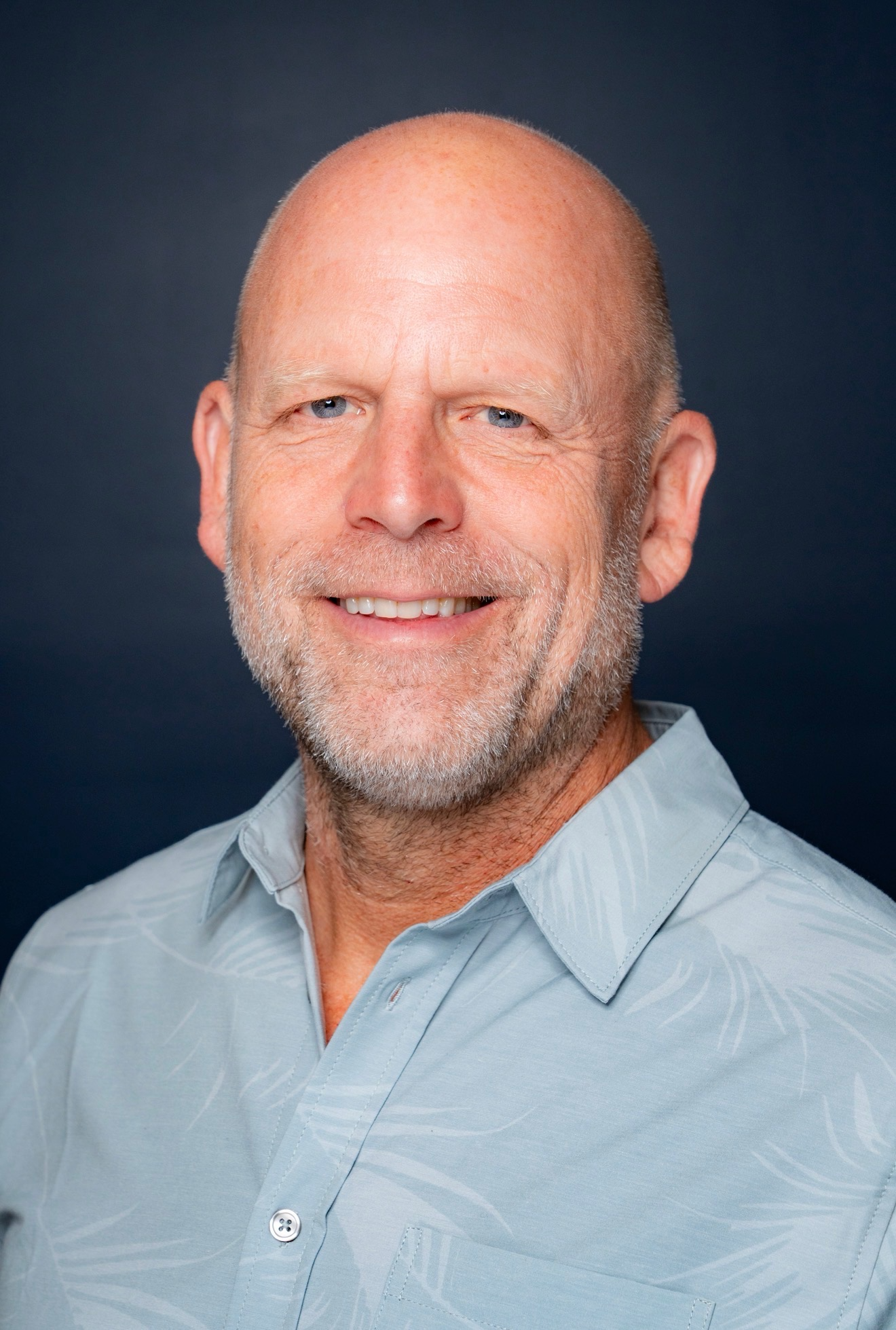
The commercial anchor. In the room when the deal has to come together.
Cameron has spent nearly three decades turning infrastructure into revenue, across carrier-neutral facilities, colocation, cloud platforms, and now AI. He has built go-to-market motions, partner ecosystems, and channel programs, and closed the deals that decide whether a project actually pencils out. He knows what tenants are really asking for, often before they have the words for it. What clients tend to remember, though, is that he can sit between an engineer and a CFO and leave both feeling heard, turning messy demand into terms a design team can build to and everyone can sign.
We don't do everything. We do AI infrastructure, for the operators building it and the tenants who need it. Because every engagement lives in the same GPU-driven world (same density, same cooling, the same buyer questions) each deal sharpens the system that makes the next one faster.
Whether you're building next-generation AI infrastructure or hunting for capacity to grow into, we help align the technical, the commercial, and the demand. We take on a limited number of engagements, so each one gets real attention. No RFP gauntlet, no forty-slide deck, just a straight conversation with people who can explain the hard parts, and a path to signed capacity measured in weeks, not quarters.
Because the best infrastructure decisions are made before the contract is signed.